Don't throw out those tuna cans: safe ideas for reusing containers at home and helping the planet
Tuna, bean or chili cans can get a second life as organizers, planters or candle holders. Here are practical, safe ideas, and why recycling metal really does make a difference.
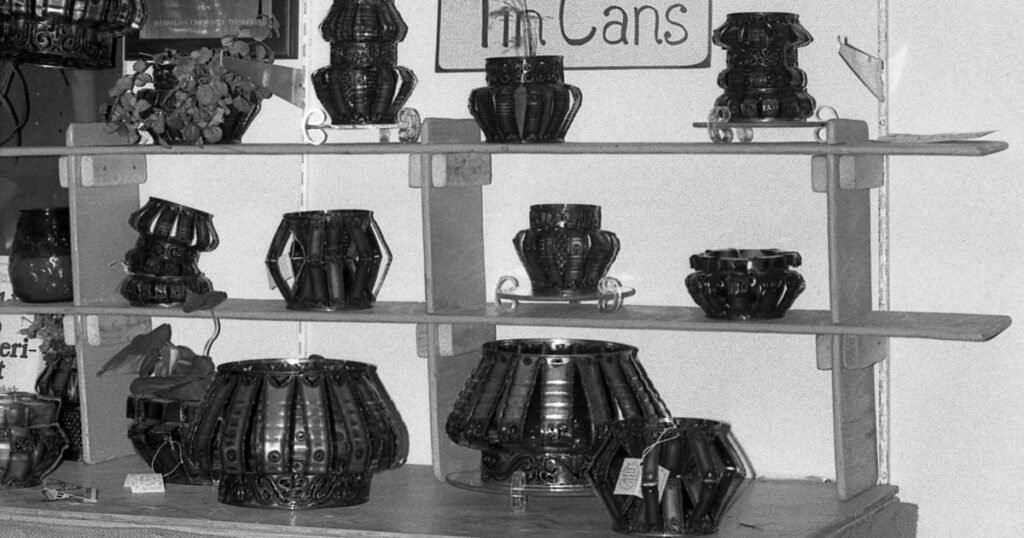
Every week, millions of tuna, sardine, chili and bean cans end up in the trash across Latin America. Social media is full of videos claiming they’re «worth their weight in gold» and showing clever ways to reuse them. Some ideas are practical and pretty; others can be dangerous if you don’t take precautions. Here are safe ideas, how to prepare the cans, and why recycling metal is worth it.
Safety first
- Wash the can thoroughly with hot, soapy water to remove leftover oil and smells.
- Watch the edges: the rim left by the lid cuts easily. File it down, flatten it with pliers, or cover it with fabric tape, silicone or cord.
- Don’t cook in cans or store acidic foods in them for long: the inner lining isn’t designed for that.
- Keep them away from small children while you’re working on them.
10 ideas for reusing cans
- Desk organizer: glue together several cans covered in paper or fabric to hold pencils, scissors and markers.
- Planters for succulents or herbs: punch drainage holes in the bottom with a nail. Cilantro, mint and basil grow really well on a windowsill.
- Seed starters: perfect for raising seedlings before planting them out.
- Candle holders: punch patterns with a nail (fill the can with water and freeze it first so it doesn’t dent). Always place them on a non-flammable surface.
- Kitchen organizer: for tea bags, spice packets or rubber bands.
- Mini toolbox: keep screws, nails and wall plugs in order.
- Bird feeder: fill with seeds and hang it from a tree.
- Cookie or play-dough cutters for kids, as long as the edges are covered.
- Day of the Dead altar decorations: painted in bright colors or wrapped in papel picado, they can hold marigolds.
- Sewing kit for thread, needles and buttons.
What about the lemon-and-salt trick?
Another viral «hack» says to cut a lemon into quarters, sprinkle it with salt and leave it in your bedroom. The lemon gives off a fresh scent and the salt may absorb a little moisture, but it doesn’t «purify the air» or get rid of viruses or «bad energy». If you like the smell, go for it; to actually improve your air, the most effective things are airing out the house every day and dusting.
Why recycling metal matters
Aluminum and steel can be recycled endlessly without losing quality. Recycling aluminum saves up to 95% of the energy needed to make it from scratch. In many Latin American cities, informal waste pickers recover this material and make their living from it, so separating clean, crushed cans makes their work easier and gets them a better price.
Tips for cutting kitchen waste
- Buy in bulk where you can and bring your own bags.
- Plan the week’s meals so food doesn’t go to waste.
- Use peels and scraps for stock or compost.
- Separate food waste, recyclables and general trash.
- Choose returnable containers.
A family activity
Reusing cans is a great way to teach kids about caring for the environment. An adult prepares the can (with no sharp edges) and the children decorate it with acrylic paint, paper or yarn. You can plant a bean seed and watch it grow: it’s a lesson in science, patience and responsibility all in one.
Ideas to sell or give as gifts
Some people turn cans into decorated planters, candle holders or personalized pencil pots and sell them at local markets or on social media. It’s a creative way to earn a little extra from material that would otherwise be thrown away. Water-resistant paint and a coat of varnish make them last longer.
Conclusion
A tuna can isn’t «worth its weight in gold», but it can have a useful and beautiful second life. Reusing safely and recycling what we don’t use are small gestures that add up to a big help for the planet. What ideas do you use at home? Share them in the comments.
Foto: Robbie Sproule from Montreal, Canada / Wikimedia Commons (CC BY 2.0) · source
For information only. It does not replace advice from a health professional. Medical disclaimer
You may also like
 Home & living
The 'five-second rule': what happened when scientists put it to the test
 Home & living
Do you wash chicken before cooking it? Why food safety experts say you shouldn't
 Home & living
How to clean the microwave and fridge without harsh products (and what temperature it should be)
 Animals
Cuatro víctimas entre escombros en menos de ocho minutos: Sergio y su perro Loky, el bombero y el pastor alemán que ganaron el oro europeo de rescate
 News
Se les enganchó la línea de pesca, frenaron la lancha y en las piedras vieron algo increíble: huellas de dinosaurio en Villa El Chocón
 Animals