Accident and tragedy news on social media: how not to fall for hoaxes, and how to support someone who is grieving this Day of the Dead
"A serious accident just happened", "died on the way to graduation", "you won't believe what happened at the funeral". Tragic news floods Facebook and WhatsApp. Here's how to check it, how to talk about it respectfully and how to support someone through a loss.
Scroll through Facebook and you’ll see posts like «massive accident just happened», «couple loses their lives early this morning» or «at the funeral, the priest discovered that…». Many swap letters for numbers («d3ad», «acc1dent») to dodge platform filters, and nearly all of them end in a link stuffed with ads. Some are based on real events; others are recycled from years ago or completely made up. With Day of the Dead approaching, a time when people in Mexico and much of Latin America honor those who have passed, it’s a good moment to think about how we consume and share tragedy.
Why they spread so fast
Tragic news stirs empathy, fear and the urge to find out whether we know the people involved. Clickbait sites exploit that with half-finished headlines, shocking photos and the promise to «see more». The problem is that by sharing these posts we sometimes spread false information, retraumatize families, or cause someone to learn about a loved one’s death from a social media post.
Signs a «news story» may be fake or sensationalist
- It gives no date, exact location or official sources.
- The headline cuts off mid-sentence («he was the son of…»).
- It uses numbers instead of letters in words like «dead» or «accident».
- The site isn’t a known news outlet, or it’s full of intrusive ads.
- It asks you to share it «so it reaches the family».
- The same story pops up with different names and countries.
How to check it in two minutes
- Look for the event in reputable local media or on the official accounts of emergency services, the fire department or the police.
- Run a reverse image search on the photo: many pictures come from other accidents.
- Check the date: real tragedies from years ago often get shared again as if they happened today.
Respect for victims and their families
Sharing photos of bodies, injured people or funeral scenes can cause enormous pain to families. In some countries, such as Mexico under the so-called «Ingrid Law», distributing images of victims can be punished. Before you share, ask yourself: would I want my family to see this if it were me?
Prevention: what we can actually learn
Behind many headlines are useful lessons:
- Road crashes: they’re one of the leading causes of death among young people in the region. Seat belts, helmets, not driving after drinking or while using your phone, and sticking to speed limits save lives.
- Gas at home: check hoses and tanks; if you smell gas, don’t switch on any lights, open the windows and get out.
- Beaches and rivers: obey the warning flags and don’t swim after drinking.
- Violence: if you’re threatened, contact a support line and report it.
When the news hits close to home
Grief is a natural response to loss. It has no fixed timeline and no «right» way to do it. To support someone:
- Presence matters more than words: «I’m here» is worth more than any stock phrase.
- Avoid saying «I know how you feel» or «they’re in a better place» if the person doesn’t share that belief.
- Offer specific help: cooking, looking after the kids, dealing with paperwork.
- Remember important dates in the months that follow, when support tends to fade.
Grief and mental health
If sadness stops someone from functioning for many months, or thoughts of not wanting to live appear, it’s time to get professional help. In the US you can call or text 988 (Suicide & Crisis Lifeline); in the UK, Samaritans are available on 116 123; elsewhere, contact your local crisis line or emergency number. Talking saves lives.
Day of the Dead: remembering with love
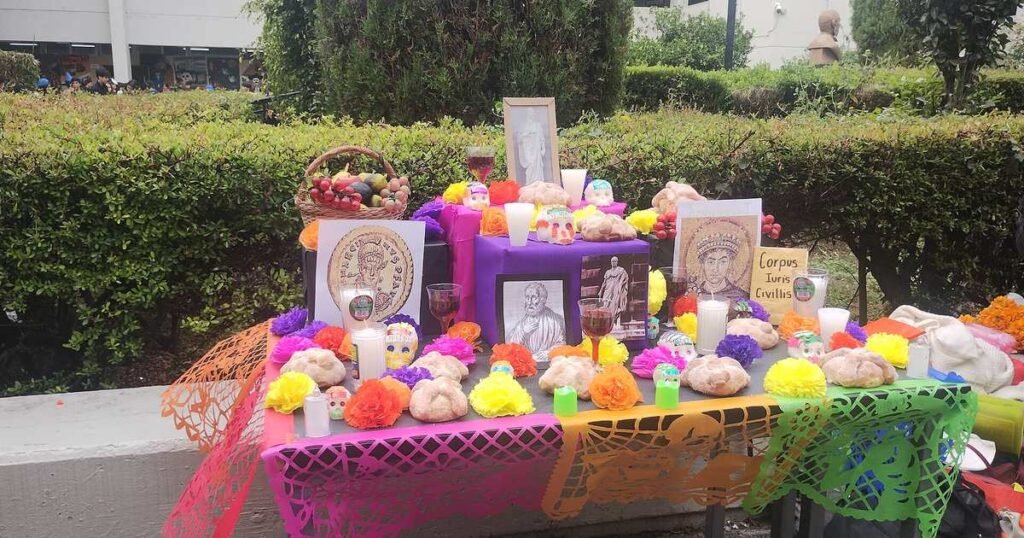
Mexico’s Day of the Dead, recognized by UNESCO as part of the Intangible Cultural Heritage of Humanity, offers a different way of facing death: with memory, color, marigolds, sweet bread and the favorite foods of those who are gone. Building an altar together can help children and adults process a loss and keep someone’s memory alive. Perhaps that’s the best response to the flood of tragedy online: remembering people for how they lived, not how they died.
Conclusion
Staying informed matters; feeding morbid curiosity doesn’t. Check before you share, respect the victims and support those who are suffering. If you’d like to honor someone, tell us in the comments who you’ll be remembering on your altar this year.
Foto: 29LuisFer08 / Wikimedia Commons (CC BY 4.0) · source
For information only. It does not replace advice from a health professional. Medical disclaimer
You may also like
 News
Última hora: muere Dolores Huerta a los 96 años, la mujer que inventó el “¡Sí se puede!”
 News
Empezaron vendiendo moños para comprar semillas: Lilia y José llevan 26 años cultivando cempasúchil en Xochimilco
 News
El “vaquero pescador” que rompió un vidrio con piedras para sacar a una mujer de su auto que se hundía en la presa El Palote
 News
Se les enganchó la línea de pesca, frenaron la lancha y en las piedras vieron algo increíble: huellas de dinosaurio en Villa El Chocón
 News
“Ser la primera mexicana recibiendo un reconocimiento”: Charlyn Corral, de Ecatepec, ganó el premio a la mejor delantera en el Balón de Oro
 News