Viral weight-loss challenges: why "fat-burning drinks" don't work and what the science says
AI-generated videos, 75-day challenges and bedtime drinks that "melt away fat" are flooding social media. Nutrition experts explain why there are no shortcuts and which habits genuinely help you manage your weight and your health.
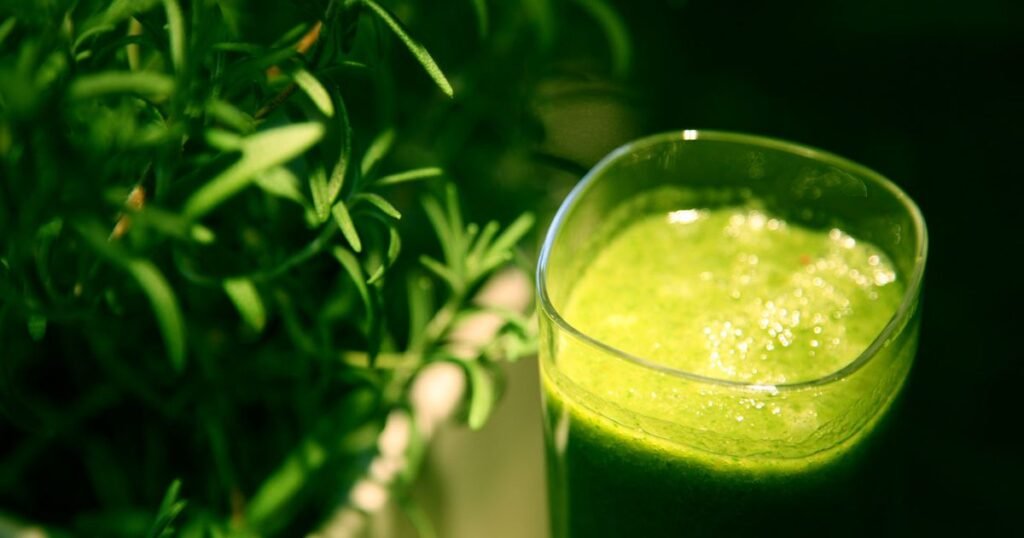
In October 2026, fact-checkers in Mexico flagged a wave of TikTok videos showing «three-month» body transformations that had in fact been generated by artificial intelligence. At the same time, recipes like «boil these two ingredients, drink them before bed and lose weight overnight» or «drink this water once a day and dry out all your fat» keep circulating. Nutrition specialists warn that this kind of content isn’t just false: it can damage people’s relationship with food and their body image. Let’s look at what’s actually true.
No drink «melts» fat
Cinnamon, ginger, lemon or green tea infusions can be part of a healthy diet, and swapping sugary sodas for them does cut calories. But no drink burns a meaningful amount of fat. When someone «drops» a kilo or two in a few days with these recipes, it’s usually water, especially if they contain laxative or diuretic ingredients, which can also dehydrate you and throw off your electrolytes.
You can’t spot-reduce belly fat
Doing hundreds of crunches won’t burn fat specifically from your stomach. The body loses fat all over, in a pattern set by genetics and hormones. Deep abdominal (visceral) fat does matter for health, because it’s linked to diabetes and high blood pressure, and it responds well to a combination of physical activity, good nutrition, sleep and stress management.
What works, according to the evidence
- Eat more real food: vegetables, fruit, beans and lentils, whole grains and lean protein. Traditional Latin American staples are great allies: beans, corn tortillas, nopal cactus, quinoa.
- Cut down on sugary drinks: in many countries they’re one of the main sources of added sugar.
- Drink water: it doesn’t «dry out fat», but it helps you avoid mistaking thirst for hunger and replaces high-calorie drinks.
- Move every day: walk, dance, take the stairs. Gentle tai chi-style walking, which went viral this month, can be a good start for people who’ve been inactive.
- Strength training twice a week to preserve muscle.
- Sleep 7 to 9 hours: short sleep increases cravings for sugary and fatty foods.
- Consistency over perfection: small, sustained changes beat extreme challenges.
The dangers of extreme challenges
Short challenges built on very restrictive diets or pushing exercise to the limit can lead to muscle loss, yo-yo weight gain, irritability, menstrual changes and, in vulnerable people, eating disorders. Warning signs include guilt after eating, fear of certain foods, and feeling you have to «make up for» what you ate with exercise or restriction. If that sounds familiar, reach out for professional support.
Beware of pills and miracle products
Health authorities across the region have warned about weight-loss supplements containing undeclared substances such as sibutramine, which was withdrawn in many countries because of heart risks. Genuine obesity medications do exist, but they must be prescribed and monitored by a doctor, never bought through social media.
Beyond the scale
Weight is only one measure. Waist size, blood pressure, blood sugar and how you feel all matter too. Many people greatly improve their health by changing their habits, even when the number on the scale barely moves.
Stigma makes people sick too
Viral stories of people with obesity being mistreated or abandoned reflect a real problem: weight stigma is common and harms mental health. Obesity is a chronic disease with many causes, not a lack of willpower, and it deserves respectful medical care.
How to spot a misleading video
- It promises results in days or «while you sleep».
- It shows perfect before-and-after shots with no source.
- The «expert» has no credentials you can verify.
- It tries to sell you something at the end.
- The image looks too perfect, with odd hands or backgrounds (a possible sign of AI).
Conclusion
There are no shortcuts, but there are realistic paths. Eating better, moving in ways you enjoy, sleeping well and getting professional guidance are the real «secrets». Your health is worth more than a viral challenge.
Foto: Joanna Slodownik from secaucus, nj, USA / Wikimedia Commons (CC BY 2.0) · source
For information only. It does not replace advice from a health professional. Medical disclaimer
You may also like
 Health
Tired eyes from phones and computers: the 20-20-20 rule and other habits that actually help
 Health
Hiccups: why they start, which tricks make some sense and when to see a doctor
 Health
How much coffee is too much? The amount of caffeine considered safe each day
 Health
What happens to your body when your sex life changes? Intimate health myths and facts
 Health
Guava leaves, fig leaves, aloe vera, red onion and coffee: what science knows about these popular remedies
 Health