Tartar, cavities and yellow teeth: the truth about baking soda, viral hacks and toothpaste
"Whiten your teeth in 3 minutes", "get rid of cavities painlessly with baking soda", "the secret dentists don't want you to know". Dentists explain what's real, what's dangerous and which habits actually protect your smile, plus some handy household uses for toothpaste.
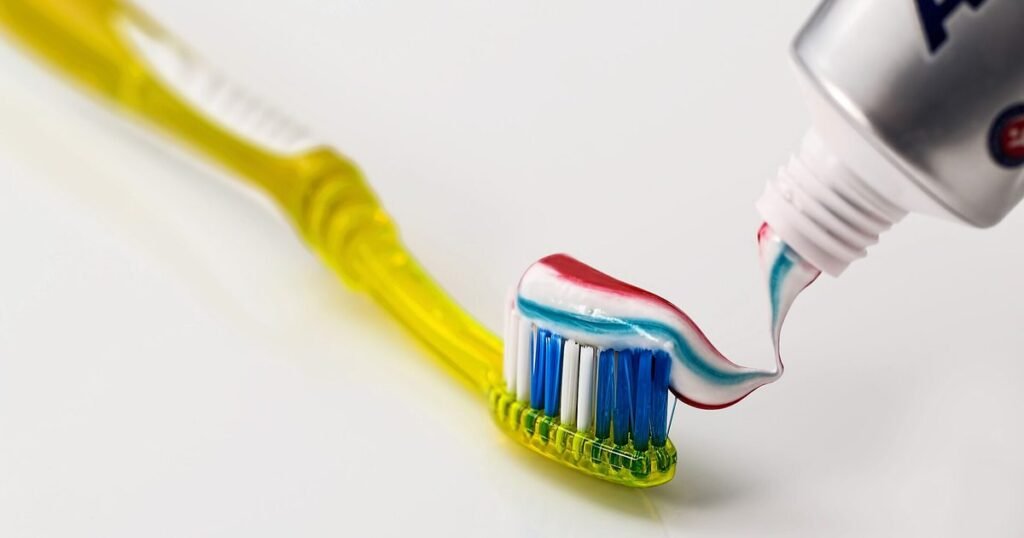
«White teeth in three minutes» videos rack up millions of views. Many use filters or, increasingly, AI-generated images. Meanwhile, tooth decay is still the most common chronic disease in the world, according to the World Health Organization. Here’s what really works for a healthy mouth.
Can baking soda get rid of cavities?
No. A cavity is a part of the tooth that has already lost structure, and teeth don’t «fill themselves back in». In the very earliest stage (white spots on the enamel), fluoride can help remineralize it. But once there’s an actual hole, only a dentist can treat it. Baking soda is mildly abrasive and can help lift surface stains, but overusing it wears down enamel and increases sensitivity.
What about tartar?
Tartar is dental plaque that has hardened with minerals from saliva. Once it forms, it won’t dissolve with lemon, vinegar or any home recipe; in fact, acids damage your enamel. It’s removed during a professional cleaning, which your dentist does with hand instruments or ultrasound. What you can do is stop it from forming: brush twice a day and floss every day.
Yellow teeth: why it happens
- Surface stains: coffee, tea, red wine, cola and tobacco.
- Natural color: the dentin beneath the enamel is yellowish. As enamel thins with age, it shows through more.
- Medications or too much fluoride in childhood.
Safe whitening uses peroxide at controlled concentrations and is best done under a dentist’s supervision. Activated charcoal, hugely popular online, is abrasive and has no solid evidence that it whitens.
The «heartbroken mother» and the toothpaste
A story has been circulating for years about a girl who supposedly died «from using toothpaste». Setting aside isolated, badly reported cases, the useful message is this: with young children, the amount of toothpaste matters. Pediatric dental associations recommend a smear the size of a grain of rice for children under 3 and a pea-sized amount from ages 3 to 6, always supervised, and teaching them to spit it out. Swallowing a lot of fluoride toothpaste over and over can cause fluorosis (white or brown marks). Store it out of children’s reach, like any other toiletry.
Oral hygiene that actually works
- Brush at least twice a day for two minutes with fluoride toothpaste.
- Floss or use interdental brushes every day.
- Don’t rinse with water straight after brushing: let the fluoride do its job.
- Replace your toothbrush every three months or when the bristles splay.
- Cut back on sugary drinks and constant snacking.
- See your dentist at least once a year.
Bleeding gums aren’t normal
Bleeding when you brush usually means gingivitis, which can be reversed with good hygiene. Left untreated, it can progress to periodontitis, which loosens teeth and has been linked to a higher risk of heart disease and poorer diabetes control.
Handy household uses for toothpaste
A plain white paste (not a gel) is a gentle abrasive that can help you:
- Polish cloudy car headlights (the effect is temporary).
- Clean white sneaker soles.
- Remove crayon marks from washable walls.
- Shine chrome faucets.
Always test on a small area first. And don’t put it on burns or pimples: it can irritate the skin.
The «secret dentists don’t want you to know»
There is no secret. What dentists repeat at every appointment is what works best: fluoride, floss, less sugar and regular check-ups. Be skeptical of any video that promises instant results and tries to sell you a product at the end.
Conclusion
A healthy smile doesn’t depend on viral hacks; it depends on daily habits. If you have pain, sensitivity or stains that worry you, the best «home remedy» is booking an appointment with your dentist.
Foto: Wikimedia Commons (CC0) · source
For information only. It does not replace advice from a health professional. Medical disclaimer
You may also like
 Health
Tired eyes from phones and computers: the 20-20-20 rule and other habits that actually help
 Health
Hiccups: why they start, which tricks make some sense and when to see a doctor
 Health
How much coffee is too much? The amount of caffeine considered safe each day
 Health
What happens to your body when your sex life changes? Intimate health myths and facts
 Health
Viral weight-loss challenges: why "fat-burning drinks" don't work and what the science says
 Health