Breast Cancer Awareness Month and beyond: cancer and stroke warning signs you shouldn't ignore
October is Breast Cancer Awareness Month. We use it as a reminder to review, with reliable medical information, the warning signs of breast and colorectal cancer and the symptoms of a stroke, when every minute counts.
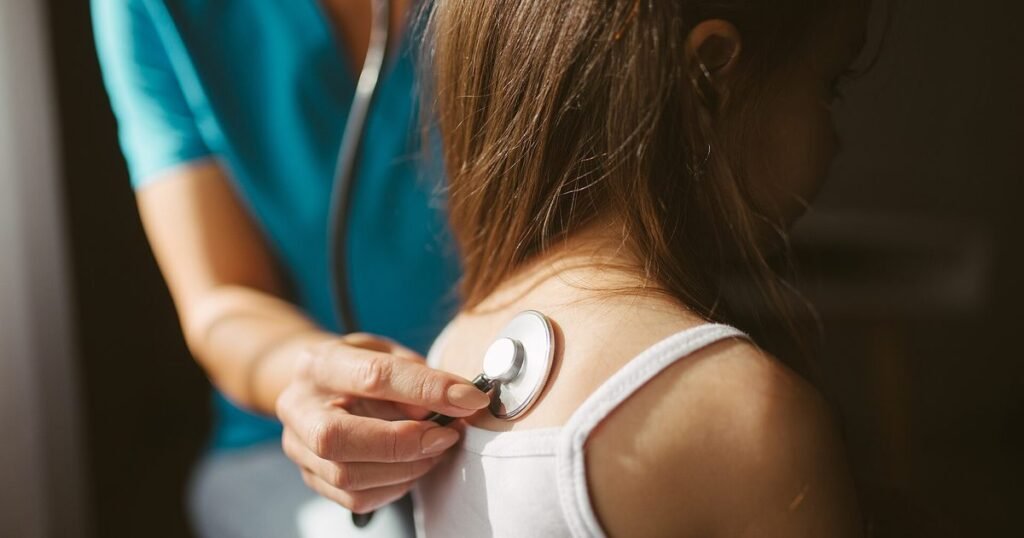
Every October, pink ribbons appear around the world to remind us how important early detection of breast cancer is. It’s also a good time to talk about other serious health problems that can be caught in time, such as colorectal cancer, and about an emergency where every minute counts: stroke. Social media is full of alarmist lists; here you’ll find clear information based on recommendations from the Pan American Health Organization (PAHO) and medical societies.
Important: a symptom is not a diagnosis
The symptoms described below can have many causes, most of them not serious. The goal isn’t to scare you but to help you know when to get checked. If a symptom lasts more than two or three weeks or gets worse, see a doctor.
Breast cancer: what to look out for
- A lump or thickening in the breast or armpit.
- Changes in the size or shape of the breast.
- Dimpled or reddened skin, or skin that looks like «orange peel».
- A nipple that has recently turned inward, or nipple discharge (especially bloody).
Monthly self-checks help you know your body, but they don’t replace a mammogram. Most guidelines recommend screening mammograms every one or two years starting somewhere between 40 and 50, depending on your risk factors. Men can get breast cancer too, although it’s uncommon.
Colorectal cancer: the silent one
It’s one of the most common cancers in Latin America and is rising among people under 50. Warning signs:
- Blood in the stool or very dark stools.
- Persistent changes in bowel habits: diarrhea, constipation or narrower stools for weeks.
- Abdominal pain, gas or bloating that won’t go away.
- Unexplained weight loss.
- Extreme tiredness, which can come from anemia caused by hidden bleeding.
Many guidelines recommend starting screening at 45 or 50 with a stool test or a colonoscopy. If close relatives have had this cancer, ask your doctor about starting earlier.
Other general signs worth a check-up
A sore that won’t heal, a mole that changes shape or color, a persistent cough or hoarseness, trouble swallowing, unusual bleeding, or a lymph node that keeps growing. Again: it doesn’t mean cancer, but it does deserve a look.
Stroke: remember «BE FAST»
Stroke is one of the leading causes of death and disability in the region. Recognizing it and acting within minutes can save a life. Remember BE FAST:
- Balance: sudden dizziness or loss of balance.
- Eyes: sudden loss of vision in one or both eyes.
- Face: ask the person to smile; one side of the face droops.
- Arms: ask them to raise both arms; one drifts down or is weak.
- Speech: slurred speech or trouble understanding.
- Time: call emergency services right away (911 in the US and many other countries) and note the time the symptoms began.
A sudden, extremely severe headache, «the worst of my life», is also an emergency. Don’t wait to see if it passes, don’t give the person medication or food, and don’t let them go to sleep it off.
Prevention: what’s in your hands
- Don’t smoke: it’s the single most important avoidable risk factor.
- Move: aim for 150 minutes of moderate activity a week. Gentle walks, like the tai chi-style walking that’s trending right now, are a great start.
- Eat more fiber: fruit, vegetables, beans and whole grains; less processed meat.
- Drink less alcohol.
- Keep blood pressure, blood sugar and cholesterol in check. Smartwatches can help you move more, but blood pressure is best measured with a validated cuff.
- Get vaccinated against HPV and hepatitis B, which prevent some cancers.
Beware of «cancer-curing remedies»
No tea, juice or plant cures cancer. Delaying treatment to follow internet remedies lowers the chances of a cure. A healthy diet can help people cope better with treatment, always alongside their medical team.
The bottom line
Knowing your body, getting the screenings recommended for your age and recognizing the warning signs can make all the difference. This October, share this information with the women in your family and book your check-up.
For information only. It does not replace a medical evaluation.
Foto: Shixart1985 / Wikimedia Commons (CC BY 2.0) · source
For information only. It does not replace advice from a health professional. Medical disclaimer
You may also like
 Health
Tired eyes from phones and computers: the 20-20-20 rule and other habits that actually help
 Health
Hiccups: why they start, which tricks make some sense and when to see a doctor
 Health
How much coffee is too much? The amount of caffeine considered safe each day
 Health
What happens to your body when your sex life changes? Intimate health myths and facts
 Health
Viral weight-loss challenges: why "fat-burning drinks" don't work and what the science says
 Health